From Kitchen Table to Grocery Aisle: How Small-Batch Biscuit Makers Are Winning Over Upscale Retailers
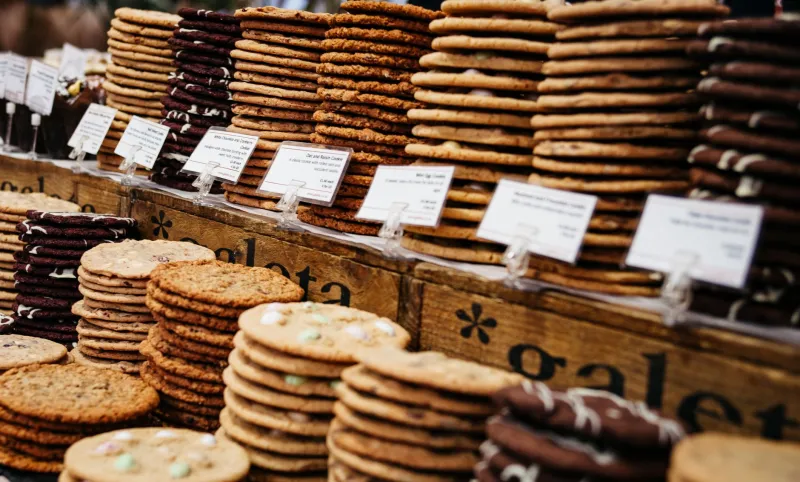
Not long ago, the biscuit aisle at your local upscale grocery store looked pretty much the same everywhere you went. Canned dough. Shelf-stable tubes. Recognizable logos that haven't changed since your parents were kids. But walk through the bread and baked goods section of a Whole Foods, a Sprouts, or a regional specialty grocer today, and you might notice something different tucked between the sourdough loaves and the fancy crackers — small-batch biscuits, made locally, with actual names and faces behind them.
This isn't an accident. It's the result of a slow-building shift in how Americans shop for food, and a growing appetite (literally) for the kind of handmade, honest baking that mass production just can't replicate. For a wave of independent biscuit entrepreneurs, that shift has opened a door they're sprinting through.
Why Retailers Are Finally Paying Attention
Premium grocery buyers aren't sentimental. They're watching numbers. And the numbers around artisan baked goods have been trending in one very clear direction for the better part of a decade.
Consumer demand for locally sourced, minimally processed food has pushed specialty food sales to record highs, with the Specialty Food Association reporting consistent year-over-year growth in categories like breads, pastries, and refrigerated baked goods. Biscuits — once firmly planted in the "comfort food nostalgia" corner — have ridden that wave right into premium territory.
Store buyers at regional chains like Earth Fare and specialty independents across the South and Midwest say they're actively seeking out local bakers to fill gaps left by national brands that feel increasingly out of step with what their customers want. "Our shoppers read labels," said one specialty grocery buyer based in Nashville who asked to remain anonymous. "When they see butter, flour, buttermilk, and salt on a biscuit label instead of a paragraph of stabilizers, that means something to them."
That transparency is one of the biggest selling points small bakers bring to the table — and it's something no industrial operation can easily replicate.
What It Actually Takes to Get on the Shelf
Here's where the romance of it all gets a reality check. Going from a beloved farmers market stand to a legitimate wholesale account with a grocery chain is a serious business undertaking, and plenty of talented bakers have learned the hard way that great biscuits alone don't close the deal.
For starters, there's the regulatory side. Depending on the state, cottage food laws may limit what home-based bakers can sell commercially, which means many aspiring wholesale bakers eventually need to rent licensed commercial kitchen space or invest in their own certified facility. That's a significant overhead jump before a single unit hits a store shelf.
Then there's packaging. Grocery retailers have strict requirements around labeling — nutrition facts, allergen disclosures, ingredient lists, net weight, and UPC codes are non-negotiable. Several biscuit entrepreneurs describe spending months just getting compliant packaging sorted before they could even submit a product for buyer consideration.
Margins are another conversation entirely. Wholesale pricing typically means selling to a retailer at roughly 50% of the suggested retail price, and that retailer then marks up from there. If your biscuits retail for $8 a pack, you're getting around $4 wholesale — and out of that $4, you're covering ingredients, labor, packaging, and any delivery or distribution costs. Running those numbers carefully before signing any agreements is essential.
"I almost undersold myself completely when I got my first wholesale inquiry," said Marisol Tran, who runs a small biscuit operation called Buttermilk & Co. out of Charlotte, North Carolina. "I had priced my farmers market product without thinking about what it would cost me to scale and still make money. I had to go back and completely rework my cost structure."
Tran now supplies three specialty grocery locations in the greater Charlotte area and is in conversations with two more. She credits a local SCORE mentor with helping her understand food business financials before she committed to anything.
The Product Has to Be Different — Not Just Good
Every grocery buyer interviewed for this piece said some version of the same thing: good isn't enough. The product has to have a story, a point of difference, and ideally a built-in customer base already asking for it.
That's where the farmers market grind pays dividends. Bakers who've spent a year or two building a loyal following at weekend markets often walk into buyer meetings with something invaluable — proof of demand. Screenshots of customer reviews, social media followings, and email lists all signal to a retailer that they're not taking a blind bet on an unknown product.
The "point of difference" piece matters just as much. Maybe it's a unique regional flavor profile — think smoked cheddar and jalapeño biscuits inspired by Texas barbecue culture, or a sweet potato biscuit rooted in Lowcountry tradition. Maybe it's a dietary angle, like a legitimately flaky gluten-free biscuit that doesn't taste like a compromise. Whatever it is, the product needs to stand out in a category where shelf space is limited and competition is growing.
Jameel Patterson, who sells his Nashville Hot Honey Biscuits under the name Gilt & Grain, landed his first grocery account after a regional food magazine ran a short feature on his farmers market booth. "That press clipping opened the conversation," he said. "But the buyer told me straight up — the story got me in the room, the biscuit kept me there."
Distribution: The Piece Nobody Talks About Enough
One of the trickiest parts of scaling a biscuit business into retail isn't making the product or even getting the account — it's getting the product to the store consistently, in good condition, on time, every time.
Small bakers often start by self-distributing, which means loading up a cooler or cargo van and making deliveries themselves. That works at one or two accounts but gets unsustainable fast. Eventually, many successful biscuit entrepreneurs work with regional food distributors who specialize in local and artisan products — companies that already have relationships with the retailers you want to reach.
Getting a distributor to take on your product is its own process, with its own margin considerations. But for bakers who want to grow beyond a handful of accounts without burning out, it's often a necessary step.
The Bigger Picture
What's happening in the biscuit aisle is really just a microcosm of a much larger shift in American food culture — one where people increasingly want to know where their food comes from and who made it. For home bakers who've always believed that handmade is better, that shift feels like vindication.
The path from hobby baker to grocery supplier isn't quick or easy. It requires treating your passion like a business, understanding your numbers, building relationships, and making a product that's genuinely worth the premium price tag. But for the bakers who've done the work, the payoff is real — not just financially, but in the satisfaction of knowing that their biscuits are making it into kitchens and onto tables far beyond their own.
And honestly? That's kind of the whole point of baking with love in the first place.