From Kitchen Counter to Viral Moment: How Home Bakers Are Sharing Their Biscuit Magic Online
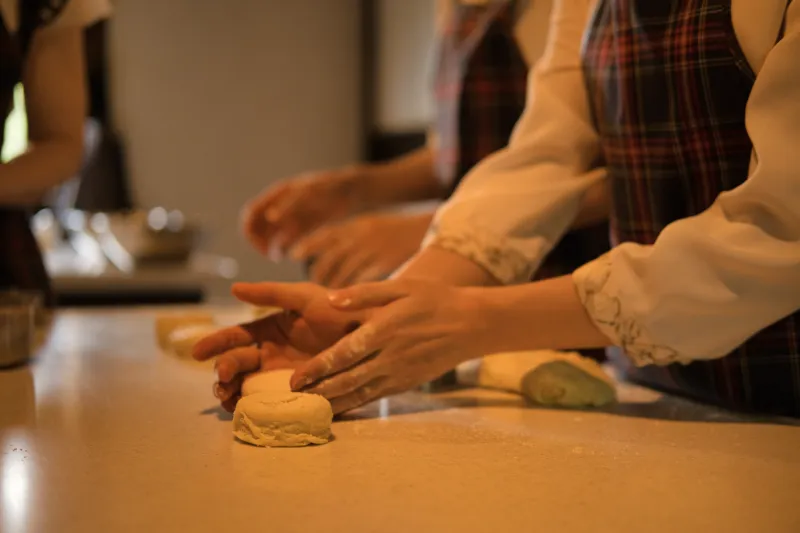
There's a particular kind of quiet satisfaction that comes from pulling a tray of golden, perfectly risen biscuits out of the oven. For most of us, that moment used to belong only to the kitchen—witnessed maybe by a partner, a kid, or a very hopeful dog. But somewhere between the rise of TikTok's #BakingTok community and Instagram's ever-hungry appetite for comfort food content, that private little triumph started finding a much bigger audience.
The biscuit—that humble, flour-dusted staple of American home kitchens—has had a serious glow-up online. And the people driving it aren't professional pastry chefs or food stylists. They're home bakers just like you, working with a bag of White Lily flour, a cold stick of butter, and a phone propped against a spice rack.
Why Biscuits Hit Different on Social Media
Food content has always performed well online, but biscuits occupy a uniquely emotional corner of the internet. They're nostalgic without being old-fashioned. They're approachable—nobody's intimidated by a biscuit the way they might be by a croissant. And when they're done right? That pull-apart, steam-releasing, honey-dripping moment is practically made for a close-up.
Food psychologists have noted that comfort food content spikes during periods of collective stress, and the pandemic years sent biscuit videos into the stratosphere. People weren't just watching to learn a recipe. They were watching to feel something—warmth, safety, a connection to simpler times. A well-shot biscuit video, it turns out, can do a lot of emotional heavy lifting.
Creators who've amassed followings in the tens of thousands often say they were shocked by the response to their first biscuit post. One home baker from Tennessee described posting a shaky 30-second clip of herself cutting biscuits with a mason jar lid—a technique passed down from her grandmother—and waking up the next morning to thousands of comments from people who said it reminded them of their own grandmothers. "I wasn't trying to go viral," she said. "I just wanted to show how she taught me to do it."
That authenticity? That's the whole game.
The Gear Question (Spoiler: You Don't Need Much)
Here's what a lot of aspiring food content creators get wrong: they assume they need a ring light, a mirrorless camera, and a carefully curated ceramic prop collection before they can post anything worth watching. In reality, the biscuit videos that tend to perform best are the ones that feel real.
Natural light is your best friend. A kitchen window on a cloudy morning gives you that soft, even glow that makes dough look like something out of a dream. If you're shooting at night, a simple $30 LED panel from Amazon can do the trick—just position it to the side rather than directly above to avoid flat, washed-out shots.
For video, your smartphone is genuinely enough. The latest iPhone and Android models shoot in resolutions that would have required professional equipment just a few years ago. What matters more than the camera is what you're shooting and how you're moving through the process. Slow pans across a floured countertop, close-ups of butter being cut into flour, the satisfying cross-section of a split biscuit—these are the shots that make people stop scrolling.
A simple tripod or even a stack of cookbooks to prop your phone can free up both hands, which is kind of essential when you're elbow-deep in biscuit dough.
Telling a Story Without Saying a Word
The best biscuit content isn't really about biscuits. It's about the story around them. Who taught you this recipe? What does Sunday morning smell like in your house? Is this the biscuit your kids ask for every time they come home from college?
Those details—shared in a caption, woven into a voiceover, or just implied by the worn wooden cutting board and the handwritten recipe card in the background—are what turn a cooking video into something people save, share, and come back to.
If you're camera-shy, you don't have to show your face at all. Hands-only videos are wildly popular in the baking niche. There's something almost meditative about watching a pair of experienced hands work butter into flour, and it keeps the focus exactly where it belongs: on the craft.
Captions matter more than most people realize. A single line like "My mom made these every Easter. Now I make them every Sunday" can generate more engagement than a perfectly written recipe breakdown. People connect with people, not just with food.
Staying True to the Handmade Spirit
Here's the tension that every home baker who starts sharing online eventually bumps up against: the pressure to perform. Once you start getting likes and comments, there's a subtle pull toward making things look more perfect, more styled, more like what you think people want to see. And that's exactly when the magic starts to slip.
The bakers who build lasting, loyal audiences are the ones who resist that pull. They show the failed batch alongside the triumph. They share the biscuit that came out a little flat because they forgot to chill the butter. They laugh at themselves in the comments. They keep the dog in the frame.
Remember why you started baking in the first place. It wasn't to get followers. It was because there's something deeply satisfying about making something beautiful and edible with your own hands. Social media, at its best, is just a way to invite more people to your table.
A Few Practical Tips Before You Hit Post
- Batch your shooting. Make one baking session do double duty—bake your biscuits, then spend 15 extra minutes getting the shots you need before everyone eats them.
- Use natural transitions. Instead of cutting abruptly between steps, try overlapping movements—hands leaving the frame, a bowl being set down—to create a more fluid, satisfying watch.
- Engage back. Reply to comments, especially early ones. The algorithm rewards engagement, but more importantly, it builds the kind of community that keeps people coming back.
- Don't over-edit. A little color correction is fine. But if your biscuits start looking like they were baked on another planet, you've gone too far.
- Credit your sources. If the recipe came from your grandmother, say so. If it's adapted from a cookbook, mention it. The baking community is generous and supportive, and honesty is currency.
The Bigger Picture
What's happening in the biscuit corner of the internet is actually kind of beautiful. A food that has always been about home, family, and handmade care is finding new life in a digital space that can often feel cold and performative. Home bakers are pushing back against that, one floury, imperfect, deeply delicious post at a time.
You don't have to become an influencer to be part of it. You just have to keep baking with heart, share when the moment feels right, and trust that the warmth you put into that dough will come through the screen—because it always does.