Butter, Layers, and a Little Bit of Magic: How Biscuits Became the Darling of America's Artisan Bakery Scene
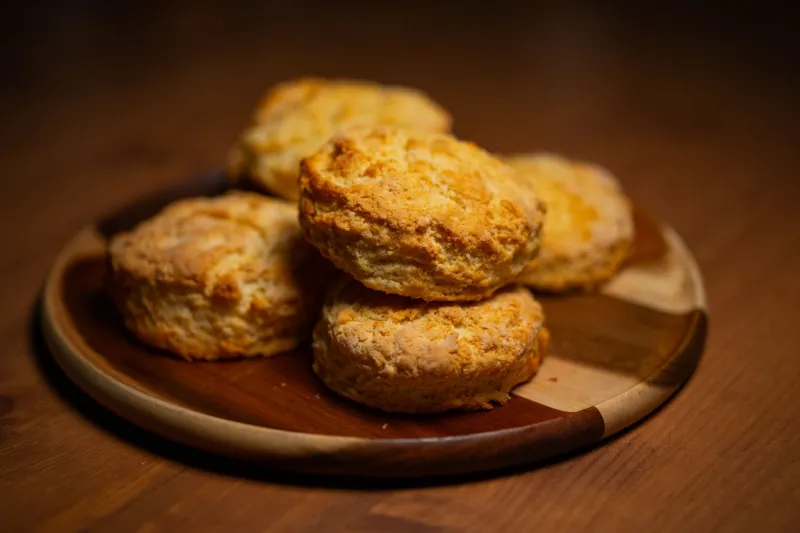
Walk into almost any indie bakery in Nashville, Portland, or Brooklyn these days, and you'll notice something has shifted. The chalkboard menu that once boasted sourdough miches and whole-grain boules now features something a little more Southern, a little more nostalgic — and a whole lot more buttery. Biscuits, in all their flaky, pull-apart glory, are front and center.
This isn't a fluke. It's a full-on cultural moment, and bakers both big and small are leaning into it hard.
From Bread Aisle to Biscuit Board
For a long time, artisan bread was the gold standard for serious bakeries. Sourdough was the craft baker's calling card — long ferments, open crumbs, a crust that could double as a doorstop. And while great bread isn't going anywhere, something interesting started happening around the early 2020s: consumers began craving something warmer, more immediate, and honestly, more comforting.
Enter the biscuit.
Unlike a loaf that takes 36 hours to develop flavor, a truly great biscuit rewards you fast. Cold butter, quality flour, a light hand, and 15 minutes in a hot oven — and suddenly you've got something that can move people to actual tears. That accessibility, both in technique and in emotional resonance, is a big part of why small-batch bakers are going all in.
"People want to feel something when they eat," says Maya Tillman, who runs a weekend pop-up biscuit operation out of Asheville, North Carolina. "A warm biscuit does that immediately. There's no waiting, no explanation needed. It just hits."
The Economics Actually Make Sense
Here's something a lot of food writers skip over when they talk about biscuit trends: the numbers work. For a small or emerging bakery, biscuits offer a surprisingly favorable margin compared to bread.
Ingredients are relatively inexpensive — flour, butter, buttermilk, a little leavening. The equipment requirements are minimal. You don't need a commercial deck oven or a proofer. You need a sheet pan, a hot oven, and really cold hands (or really cold butter, at minimum).
Compare that to sourdough bread, which demands time, temperature control, starter maintenance, and significant energy costs for long baking sessions. Biscuits can be prepped, baked, and sold within a morning window — which means faster turnover and fresher product.
For bakers who are just getting started or operating out of a cottage kitchen, that equation is incredibly appealing. And for customers, a $4 to $6 handmade biscuit feels like a reasonable splurge — especially when it's stuffed with local honey butter or pimento cheese.
Craft Culture Meets Comfort Food
There's a broader cultural shift happening here, too. American food culture has spent the last decade obsessing over provenance — where ingredients come from, who made them, and how. That conversation used to center mostly on coffee, chocolate, and yes, artisan bread. But it's caught up with biscuits in a meaningful way.
Bakers are now sourcing locally milled soft winter wheat from farms in the Southeast, using cultured butter from small dairies, and experimenting with heritage grain varieties that give biscuits a nuttier, more complex flavor. The result is a biscuit that tells a story — not just of technique, but of place.
"I use a soft red winter wheat from a mill about 40 miles from my kitchen," says Darnell Okafor, who operates Little Fork Biscuit Co. out of a small storefront in Lexington, Kentucky. "When people taste the difference, they get it immediately. It's not just a biscuit anymore. It's a conversation about where food comes from."
That kind of intentionality is exactly what today's food-curious consumer is looking for. They want craftsmanship they can taste, and biscuits — when made with real care — deliver that in spades.
Why Layers Are the New Open Crumb
In sourdough circles, the open crumb — those big, irregular holes in a well-fermented loaf — is the ultimate flex. It signals proper hydration, good gluten development, and patient technique. In the biscuit world, layers are the equivalent.
A biscuit with distinct, visible, pull-apart layers isn't just pretty (though it absolutely is). It signals that the baker understood the science: keeping fat cold so it steams during baking, handling the dough gently to preserve flakiness, folding with intention to create those honeyed, buttery strata.
Instagram and TikTok have been enormous accelerants here. A cross-section shot of a perfectly layered biscuit performs as well as almost any food content online. Bakers who might have stayed local are suddenly getting DMs from people three states away asking if they ship.
"I posted a video of me splitting a biscuit open and it got 200,000 views in two days," laughs Tillman. "I had to take my phone off the hook — metaphorically. I didn't even have a proper ordering system yet."
What This Means for Home Bakers
The artisan biscuit wave isn't just a bakery phenomenon. It's trickling into home kitchens in a real way. More people are learning to make biscuits from scratch, swapping out canned dough for the real thing, and discovering that it's genuinely not as hard as they thought.
That's part of what makes this moment feel different from other food trends. Biscuits are democratic. You don't need a stand mixer or a specialty pan. You don't need to take a class or buy a $200 proofing basket. You need a bowl, a pastry cutter (or just your fingers), and the willingness to get a little flour on your shirt.
And once you nail it — once you pull a tray of golden, layered biscuits out of your own oven — something changes. You start to understand why bakers are betting their businesses on these little rounds of joy.
The Biscuit Is Having Its Moment — And It's Earned It
Trends come and go in the food world. But the biscuit renaissance feels like something stickier than a passing fad. It's rooted in a genuine desire for food that connects us — to comfort, to craft, to the people who made it.
Whether it's a weekend pop-up in a parking lot, a cozy counter in a small-town bakery, or your own kitchen on a Saturday morning, the message is the same: cold butter, soft dough, hot oven. That's it. That's the whole beautiful secret.
And honestly? We wouldn't have it any other way.