Butter, Buttermilk, and Belonging: How Black Bakers Are Reclaiming the Soul of the Southern Biscuit
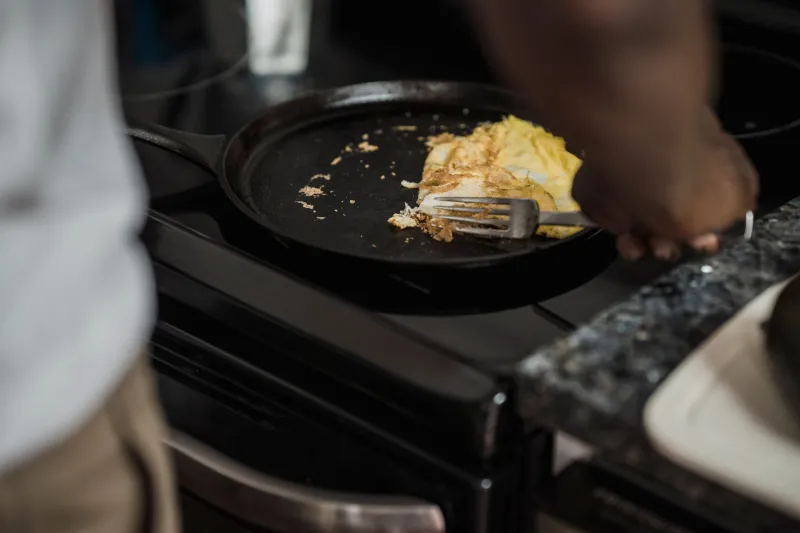
There's a biscuit story that doesn't get told enough. It lives in church cookbooks with hand-scrawled notes in the margins. It exists in the muscle memory of grandmothers who never once measured their flour. It's passed down through Saturday morning kitchens that smelled like rendered lard and cast iron. And for a long time, that story — the Black story of the Southern biscuit — was quietly absorbed into a broader cultural narrative that didn't always name its sources.
That's changing. Slowly, beautifully, and with a whole lot of butter.
The Hands That Built the Biscuit
Let's be honest about history. The Southern biscuit as we know it — tall, flaky, tender, deeply comforting — was shaped in large part by the hands of enslaved Black cooks and, later, Black domestic workers who fed entire households, communities, and eventually, a whole region's sense of culinary identity. Their techniques, their instincts, their improvisations under pressure became the gold standard. Their names, more often than not, didn't make it into the cookbooks.
Contemporary Black bakers and food historians are working to change that, one recipe and one conversation at a time. It's not just about credit — though credit absolutely matters. It's about understanding that a biscuit recipe carries culture inside it. Every pinch of seasoning, every fold of dough, every choice to use lard over shortening or whole milk over buttermilk is a decision rooted in a specific place, time, and community.
"When I make my grandmother's biscuits, I'm not just baking," says one Atlanta-based baker who learned her technique from her great-aunt in rural Georgia. "I'm continuing something. I'm saying her name out loud, even when I'm alone in my kitchen."
Modern Moves, Ancestral Roots
What's exciting about this moment isn't just the reclaiming — it's the creating. Black bakers across the country are taking those ancestral foundations and building something new on top of them. They're experimenting with heritage grains like Red Fife and Bloody Butcher corn flour, which connect to pre-industrial Southern foodways. They're infusing biscuit dough with smoked honey, sweet tea reduction, or a touch of hot sauce for heat that lingers. They're swapping standard buttermilk for West African-inspired fermented dairy, nodding to culinary traditions that predate American soil.
In New Orleans, a baker known in her neighborhood for her "church biscuits" has started incorporating a light hand of filé powder — a sassafras-based spice central to Creole cooking — into her dough. The result is something earthy and unexpected, a biscuit that tastes like the Delta itself.
In Chicago, a self-taught baker who grew up in Mississippi has built a small-batch weekend business around biscuits stuffed with pepper jelly and country ham, a nod to the kind of food his family made for special occasions. "Those flavors are home to me," he says. "I just want other people to feel that, too."
These aren't gimmick biscuits. They're not fusion for the sake of a trending hashtag. They're deeply considered, rooted recipes that happen to be made by people who are finally being given — or taking — the platform to share them.
Who Gets to Be the Expert?
One of the more uncomfortable conversations happening in food media right now is about authority. For decades, the public-facing experts on Southern food — the cookbook authors, the TV personalities, the restaurant critics — have skewed heavily white. Meanwhile, the actual keepers of many Southern traditions, including biscuit-making, have often been Black women whose knowledge was treated as background texture rather than front-page expertise.
Food writers and historians like Adrian Miller, Toni Tipton-Martin, and Michael Twitty have done enormous work to reframe this, pulling long-buried Black culinary voices into documented history. Their work has opened doors for a new generation of bakers who feel emboldened to say: this is my heritage, and I'm the one who gets to tell this story.
That shift is showing up in real, tangible ways — in James Beard nominations going to Black-owned Southern restaurants, in cookbook deals for self-taught bakers who learned everything from family, in farmers markets where a Black baker's line stretches around the block on a Sunday morning.
The Recipe Is the Story
Here at Little Biscuits, we believe that every recipe carries something beyond ingredients and instructions. It carries memory. It carries identity. And when you trace the Southern biscuit back to its truest origins, you find a story that belongs, in large part, to Black American hands and hearts.
Some of the techniques being championed by today's Black bakers will feel familiar to anyone who's spent time in a Southern kitchen: working cold fat into flour quickly, folding the dough rather than kneading it, baking in a well-seasoned cast iron skillet that's been in the family for forty years. These aren't trends. They're time-tested methods that have simply been waiting for the right spotlight.
Other elements are genuinely new — the kind of creative leaps that happen when a skilled baker has both deep roots and wide curiosity. Biscuits brushed with cane syrup before baking for a lacquered crust. Dough made with masa harina for a subtle corn sweetness. Savory biscuits folded around braised collard greens and sharp cheddar, turning a side dish into the main event.
How to Honor This at Home
If you're a home baker inspired by this movement, there are a few meaningful ways to engage with it beyond just trying a new recipe.
Seek out the source. When you're looking for biscuit inspiration, go to the Black bakers, food writers, and chefs who are doing this work. Buy their cookbooks. Follow their accounts. Pay for their content.
Try heritage ingredients. Look for stone-ground grits, heritage wheat flours, or small-batch lard from local producers. These ingredients connect to the agricultural traditions that shaped Southern baking.
Ask about the recipe. If you have a family biscuit recipe — whoever's family it came from — take the time to trace it. Who made it first? Where did they learn? The story behind the food is often as nourishing as the food itself.
Make it yours. The bakers leading this movement aren't asking anyone to freeze recipes in amber. They're doing the opposite — they're showing what it looks like to carry tradition forward with creativity and confidence. You can do the same.
A Biscuit Worth Knowing
The Southern biscuit has always been more than a bread. It's a hand extended across a table, a smell that means safety, a food that says you are welcome here without a single word. The Black bakers who shaped that meaning — and the ones redefining it today — deserve to be at the center of that story.
So the next time you pull a tray of biscuits from the oven, golden and steaming and impossibly good, take a second to think about the hands that came before yours. Chances are, they knew something worth remembering.