From Home Kitchens to White Tablecloths: How Fine Dining Finally Fell for the Biscuit
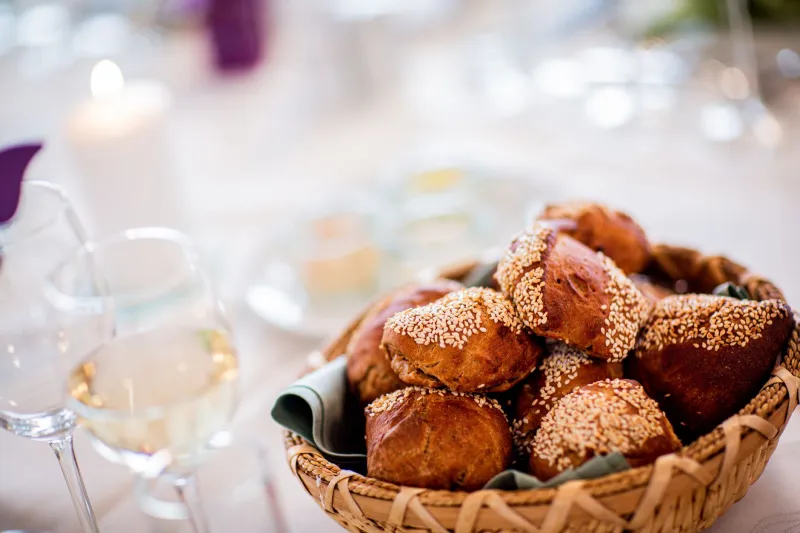
There's a moment happening right now in American dining that nobody fully predicted. You sit down at a sleek restaurant in Nashville or a gastropub in Portland, and instead of a sourdough roll or a crusty French baguette, the server sets down a warm, golden biscuit — flaky, buttery, and unmistakably homemade in spirit. Maybe it comes with a smear of honey butter or a little dish of house-made jam. Maybe it's just sitting there, confident and unadorned, daring you to take a bite before your appetizer arrives.
The biscuit, long the crown jewel of Southern grandmothers and Sunday morning kitchens, has officially crashed the fine dining party. And chefs aren't just tolerating its presence — they're celebrating it.
The Bread Basket Gets a Glow-Up
For decades, the bread basket at a nice restaurant meant something imported and European. Ciabatta. Focaccia. A sourdough boule with a crackly crust. But something shifted in the last few years, and it wasn't subtle. Chefs started paying closer attention to what people actually craved — not what felt sophisticated, but what felt real.
Biscuits check every box on that list. They're warm, they're comforting, and they carry a kind of nostalgic weight that no brioche roll can compete with. Diners light up when they see one. There's an emotional response that's hard to manufacture and impossible to fake.
Restaurants in cities like Charleston, Atlanta, Chicago, and Los Angeles have all added biscuits to their menus in creative ways — not just as a side, but as a centerpiece. Some are serving them as the base for elevated chicken dishes. Others are splitting them open and loading them with duck confit or short rib. A few ambitious spots are even offering biscuit tasting flights, pairing different styles — buttermilk, cheddar, herb-flecked — with thoughtfully chosen accompaniments.
Chefs Are Openly Crediting Home Bakers
What makes this culinary moment particularly interesting is the honesty behind it. A lot of chefs are openly acknowledging that the inspiration didn't come from culinary school or a stage in France. It came from home kitchens.
Chef Marcus Webb, who runs a well-regarded farm-to-table spot in Asheville, North Carolina, put it plainly in a recent interview: "My aunt made biscuits every Saturday morning of my childhood. When I finally tried to recreate that in a professional kitchen, I realized I was chasing something that home bakers have had figured out for generations. The technique isn't complicated — it's the intention that matters."
That kind of candor is increasingly common. The professional kitchen's long-standing habit of gatekeeping culinary knowledge is softening, and biscuits are part of that conversation. Home bakers, many of whom have spent years perfecting their lamination technique or dialing in the exact fat-to-flour ratio, are being recognized as legitimate contributors to American food culture — not just hobbyists, but custodians of something important.
What Home Bakers Actually Know That Restaurants Are Learning
Here's the thing that restaurants are quietly discovering: biscuits don't improve when you overcomplicate them. The magic lives in restraint — cold butter, a gentle hand, and a hot oven. That's a lesson home bakers have always understood, and it's one that professional kitchens, with their tendency toward precision and process, sometimes struggle to embrace.
The best biscuits come from feel as much as formula. You know the dough is right when it holds together without being worked too hard. You know the butter is cold enough when you can still see distinct pieces of it in the mix. These are tactile, intuitive skills that develop over dozens of batches — exactly the kind of knowledge that lives in home kitchens, passed down through demonstration rather than documentation.
Some restaurants are actually hiring home bakers or consulting with them directly. A handful of spots have brought in local bakers known only through farmers markets or Instagram followings to help train their kitchen staff. The exchange is mutual — home bakers gain professional exposure and sometimes a paycheck, while restaurants gain authenticity they can't manufacture on their own.
The Cultural Shift and What It Means for You
If you've been baking biscuits at home for years — whether you learned from a family member, figured it out through trial and error, or fell down a rabbit hole of recipes on a Sunday afternoon — this moment is worth pausing to appreciate. The skills you've been quietly developing in your kitchen are now being studied and replicated by people who went to culinary school and cook for a living.
That's not a small thing.
For home bakers thinking about turning their passion into something more, the current climate is genuinely encouraging. Farmers markets, pop-up events, and cottage food operations are all viable entry points, and the cultural appetite for handmade, heartfelt baked goods has never been stronger. Restaurants looking for that homemade quality are increasingly open to sourcing from local bakers rather than making everything in-house.
Even if you have zero interest in going professional, there's something quietly validating about watching a trend move in your direction. The food world is finally catching up to what home bakers already knew: a good biscuit, made with care and a little bit of love, is one of the most satisfying things you can put on a table.
The Biscuit's Staying Power
Food trends come and go. Cronuts had their moment. Avocado toast peaked and settled into permanence. But biscuits feel different — less like a trend and more like a correction. A return to something that was always good and simply got overlooked in favor of things that seemed more impressive.
The restaurants leading this charge seem to understand that. They're not treating the biscuit as a novelty or a wink at nostalgia. They're treating it as a serious culinary expression, worthy of the same attention and craft they'd give any other dish on the menu.
And at Little Biscuits, we've always believed that. Whether you're baking for your family on a Tuesday morning or experimenting with new flavor combinations on a rainy weekend, you're participating in something that goes way beyond a recipe. You're part of a tradition that's been feeding people, comforting people, and apparently, inspiring professional chefs for generations.
So the next time a fancy restaurant serves you a biscuit with your dinner, go ahead and feel a little proud. Someone in a home kitchen — maybe someone a lot like you — helped make that possible.