Set Out the Spread: Your Complete Guide to Hosting a Biscuit Bar Everyone Will Talk About
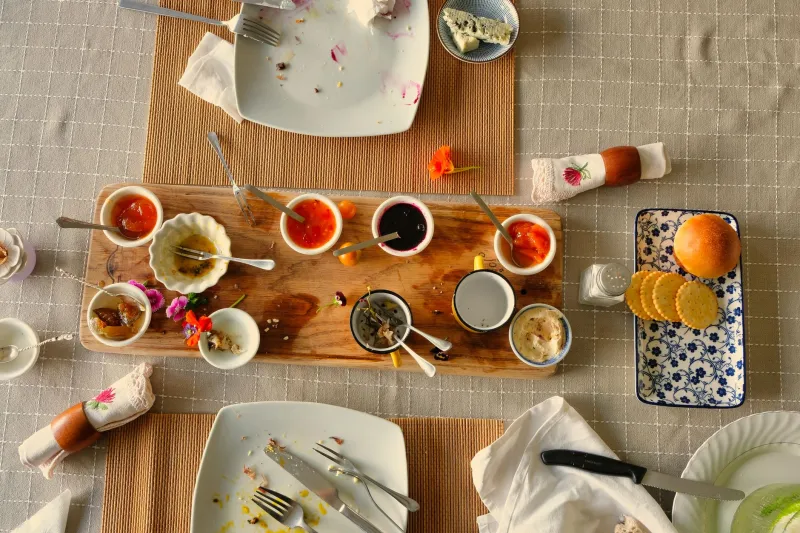
There's something almost magical about setting a table full of biscuits. Maybe it's the golden tops catching the morning light, or the way a basket of warm, flaky rounds makes even the most reserved guests lean in and start reaching. Whatever the reason, a biscuit bar has a way of turning a regular gathering into a full-on moment — the kind people text you about the next day.
The good news? You don't need a catering background or a commercial kitchen to pull it off. What you need is a little planning, a few flavor-smart choices, and a solid make-ahead game. Let's break it all down.
Start With a Lineup That Makes Sense Together
The temptation when building a biscuit spread is to go in every direction at once — sweet, savory, spicy, stuffed, glazed. But a great biscuit bar isn't just about variety. It's about variety that works together, so guests can mix and match without anything feeling out of place.
A solid starting lineup usually covers three bases:
A classic buttermilk biscuit. This is your anchor. Fluffy, buttery, and just slightly tangy, it's the one that plays well with everything — jam, gravy, honey, cheese, you name it. Don't skip it just because it feels obvious.
A savory-forward option. Think cheddar and chive, black pepper and parmesan, or even a sun-dried tomato biscuit. These hold their own next to a charcuterie situation or a pot of sausage gravy.
Something with a little sweetness. A brown sugar and cinnamon swirl biscuit, a honey butter drop biscuit, or a lemon blueberry version gives guests a natural dessert-adjacent option without you having to bake a whole separate thing.
If you want to go a fourth route — and honestly, why not — a drop biscuit with herbs like rosemary or thyme adds an unexpected savory note that feels a little fancy without being fussy.
Build Your Topping Stations Thoughtfully
Here's where the real fun starts. The toppings are what let guests make the spread their own, so think of them less as condiments and more as flavor destinations.
For the sweet side of the table:
- Local honey (a little jar with a dipper feels extra intentional)
- Strawberry or peach jam — something fruity and bright
- Whipped butter or honey butter
- Fresh fruit like sliced strawberries or blueberries for a light, fresh finish
- A small bowl of powdered sugar for dusting, if you're feeling playful
For the savory side:
- Country sausage gravy in a small slow cooker or insulated pot to keep it warm
- Softened compound butter (garlic herb is a crowd favorite)
- Thinly sliced deli ham, prosciutto, or smoked turkey
- A sharp cheddar or gruyère, pre-sliced
- Whole grain mustard or a spicy aioli for the adventurous crowd
Grouping your toppings by flavor profile — sweet on one end, savory on the other — helps guests navigate without overthinking it and prevents the honey from accidentally ending up next to the gravy boat.
Presentation That Looks Like You Tried (Even If It Was Easy)
You don't need matching serveware or a degree in food styling to make a biscuit spread look gorgeous. A few simple principles go a long way.
Vary the heights. Use a cake stand or an overturned bowl under a linen to lift one basket of biscuits above the others. The visual difference between flat and elevated makes the whole table look more dynamic.
Keep biscuits in small batches. Rather than piling 30 biscuits into one giant basket, split them into two or three smaller vessels. It looks more intentional, and it also makes it easier to refresh the display throughout the event without the whole thing looking picked over.
Use real linens. A simple dish towel or a piece of parchment tucked into a basket adds warmth and texture. It's a small move, but it reads as genuinely handmade — which is exactly the vibe.
Label your biscuits. Little folded cards or a chalkboard label strip aren't just cute — they're actually helpful when you've got guests with dietary preferences or people who are just curious what they're eating. It also quietly signals that you made everything yourself, which, let's be honest, is part of the fun.
Make-Ahead Moves That Save Your Morning
The number one mistake people make when hosting a biscuit bar is trying to bake everything fresh the morning of the event. That's a recipe for stress and slightly overdone biscuits because you were also trying to make coffee and let the dog out.
Here's how to work smarter:
Bake the day before and freeze. Almost every biscuit recipe freezes beautifully once baked. Let them cool completely, layer them in a zip-lock bag or airtight container, and freeze overnight. The morning of, arrange them on a sheet pan and warm them in a 325°F oven for 10 to 12 minutes. They'll come out tasting fresh-baked.
Prep your dough and refrigerate. If you want that truly just-out-of-the-oven experience, you can cut your biscuits the night before and refrigerate them on a parchment-lined sheet pan, covered loosely with plastic wrap. Bake them straight from the fridge the morning of. Cold butter going into a hot oven is actually a good thing — it creates steam and helps those layers puff up beautifully.
Pre-mix your compound butters. These actually get better with a day in the fridge, since the flavors have time to meld together.
Set up your table the night before. Lay out your baskets, plates, and label cards so all you're doing the morning of is filling them. You'll thank yourself.
The Secret Ingredient: Giving People Permission to Play
The thing that makes a biscuit bar work isn't really the biscuits — though those matter a lot. It's the invitation to experiment. When you put out multiple varieties and a spread of toppings, you're essentially telling your guests: there's no wrong way to do this. Try the cheddar biscuit with honey. Stack a sliver of ham on a drop biscuit and add a little mustard. Go back for a sweet one after your savory one.
That kind of low-stakes, high-reward eating is what makes people relax and actually enjoy themselves. And when the food is something you made from scratch, with your own hands, in your own kitchen? It adds a layer of warmth that no catered spread can replicate.
So go ahead — stack your baskets, fill your little honey jars, and let the biscuits do what they do best: bring people together around a table and give everyone something to smile about.