Bake It Forward: The Home Bakers Using Their Ovens to Change Their Communities
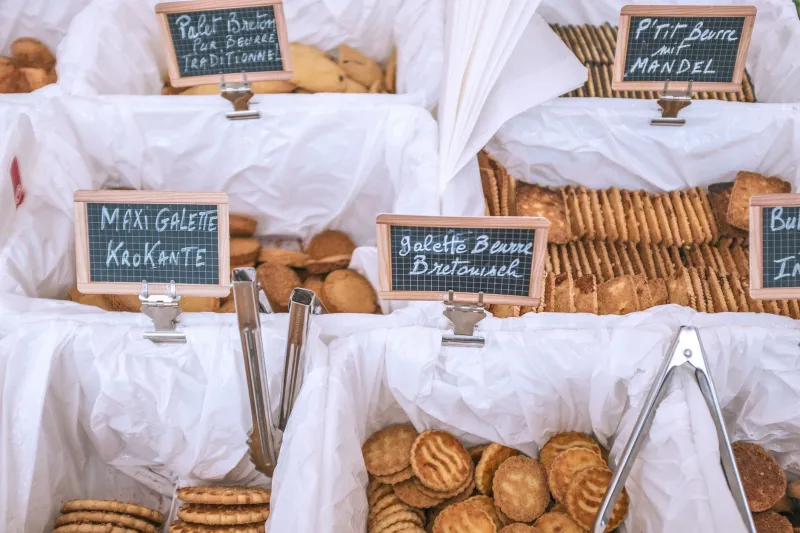
There's a particular kind of satisfaction that comes from pulling a perfect tray of biscuits out of the oven. The golden tops, the smell that fills the whole house, the way they split open along that soft middle seam — it's one of those small, reliable joys that home bakers come back to again and again.
But ask any baker who has channeled that skill into something bigger than their own kitchen, and they'll tell you: the satisfaction of baking for a cause is something else entirely.
Across the country, home bakers — some seasoned, some just finding their footing — are turning their love of biscuits into real, tangible community impact. They're raising money for school PTOs, stocking local food pantries, supporting tornado and hurricane relief efforts, and funding small nonprofits that might otherwise go unnoticed. They're doing it one batch at a time, and they're doing it with remarkable creativity and heart.
Why Biscuits, Specifically
You might wonder why biscuits, of all things, have become such a natural vehicle for community fundraising. The answer is pretty simple when you think about it.
Biscuits are universally loved and instantly recognizable. They're comforting in a way that transcends demographics — young, old, urban, rural, every background and taste preference. They photograph beautifully for social media promotion. They scale up reasonably well for a home kitchen. And they carry a kind of homemade warmth that a store-bought item simply can't replicate.
When you hand someone a bag of fresh-baked biscuits tied with a ribbon, you're not just giving them food. You're giving them something someone made with their own hands, specifically to support something they believe in. That story is powerful, and people respond to it.
Real Bakers, Real Impact
In a small town in rural Tennessee, a retired schoolteacher named Carol started baking biscuits to raise money for her local library's summer reading program after county budget cuts threatened to shut it down. She started with a simple Facebook post offering a dozen biscuits for a $15 donation. Within two weeks, she'd raised over $1,200 and had a waitlist.
"I never thought of myself as someone who could raise money," she says. "But I've been making biscuits my whole life, and people around here know that. When I put my name on something, they trust it."
In a suburb outside Atlanta, a group of moms from a local PTO organized what they called a "Biscuit Brigade" — a rotating team of home bakers who committed to producing biscuits for a monthly fundraiser supporting their elementary school's art program. Each baker contributes two to three dozen biscuits per month. The variety keeps buyers coming back, and the rotating format keeps the workload manageable for everyone involved.
"The first sale we did, we sold out in forty-five minutes," one of the organizers recalls. "We had no idea people would respond like that. Now we plan ahead, take pre-orders, and we've raised enough to fund the art room supplies for the whole year."
And in the wake of a devastating flood in a small Louisiana community, a local baker named Marcus began producing biscuits by the hundreds to sell at a makeshift roadside stand, donating every dollar to a neighbor family who had lost their home. His story spread on social media, and within days, other bakers from surrounding towns were showing up to help him bake.
The Practical Side: Pricing, Scaling, and Logistics
If you're inspired to organize a biscuit fundraiser of your own, the practical details matter as much as the passion behind it. Here's what experienced baker-fundraisers consistently recommend:
Set your price with purpose. For charitable baking, you're not trying to cover your costs and make a profit — you're trying to maximize the donation while still making the price feel accessible. A good rule of thumb is to price at roughly two to three times your ingredient cost. A dozen biscuits that cost you $4 to make might sell for $12 to $15, with all proceeds going to your cause. Be transparent about where the money goes — people give more generously when they know the specifics.
Use pre-orders to manage production. Nothing derails a fundraiser faster than overbaking or underbaking for demand. Take pre-orders through a simple Google Form, a local Facebook group, or even a paper sign-up sheet. This lets you plan your production schedule, shop for exactly what you need, and avoid waste.
Know your limits and respect them. A home oven can typically handle two to three trays of biscuits at a time, and quality starts to suffer when you're rushing. If demand exceeds your capacity, consider recruiting a friend or two to bake alongside you, or run multiple small sales rather than one overwhelming one.
Check local regulations. In many states, cottage food laws allow home bakers to sell baked goods without a commercial kitchen license, especially for charitable purposes. Rules vary significantly by state, so a quick check of your state's cottage food regulations is worth doing before you start collecting money.
Tell the story. Every biscuit fundraiser benefits from a clear, human narrative. Who are you baking for, and why? Share it on social media, in your neighborhood newsletter, at your church bulletin board. People want to support people they can picture. Make it personal.
The Emotional Return on Investment
Every baker who has done this work talks about the same thing when you ask them what they got out of it: a feeling they weren't expecting.
It's not just the satisfaction of baking well, though that's part of it. It's the experience of having your most personal, domestic skill — the thing you do in your kitchen on a quiet Saturday morning — suddenly matter in a public way. Of having strangers show up at your door with cash and gratitude and stories about why the cause you're supporting matters to them too.
"I've been baking biscuits for thirty years," Carol from Tennessee says. "But this was the first time I felt like they were doing something. Like they had a job to do beyond just tasting good."
That's the thing about baking for a cause. It doesn't change the recipe. The butter still needs to be cold, the dough still needs a gentle hand, the oven still needs to be hot. But it changes what the biscuit means — to you, and to everyone who eats one.
How to Get Started
If you've been thinking about organizing a biscuit fundraiser, here's a simple starting framework:
- Choose your cause. Local is often best — a neighbor in need, a school program, a community organization you know personally.
- Pick your format. Pre-order pickup, a bake sale table, or a pop-up stand at a local event all work well.
- Set a goal. A specific dollar target gives donors something to rally around and helps you plan your production.
- Spread the word early. Give your community at least two weeks of notice.
- Say thank you publicly. After the event, share your results and express gratitude. It builds trust for the next time.
You don't need a commercial kitchen, a business license, or a social media following to make a real difference. You just need a good recipe, a warm oven, and the willingness to bake for something bigger than yourself.
And honestly? That's always been what biscuits are about.