What's Actually Happening Inside Your Oven: The Real Secrets to Flaky, Fluffy Biscuits
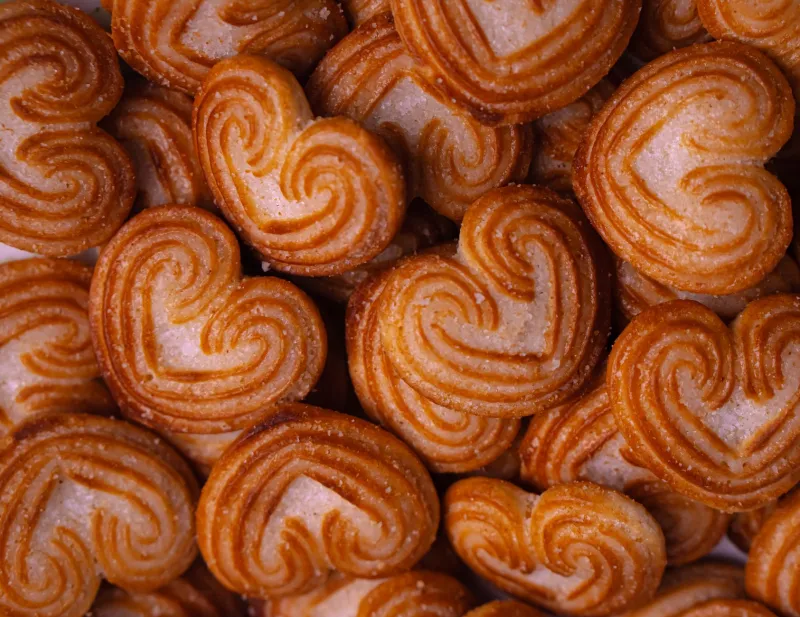
There's something almost emotional about a great biscuit. That first pull — the way the layers separate, the steam rising, the soft crumb giving way to a golden crust — it feels like a small miracle. But here at Little Biscuits, we're firm believers that miracles taste even better when you understand exactly how they happen.
So let's get into it. No lab coats required, just a little curiosity and a willingness to look at your mixing bowl a little differently.
Fat Is Everything — But Not All Fat Is Equal
Ask any seasoned home baker what the most important ingredient in a biscuit is, and nine times out of ten, they'll say butter. They're not wrong — but the why matters a whole lot more than most recipes let on.
When you cut cold butter into your flour, you're not just mixing two ingredients. You're creating tiny pockets of fat suspended throughout the dough. When that dough hits a hot oven, the water inside those butter pieces converts to steam almost instantly. That steam pushes the dough apart, creating the flaky, layered texture we all love so much.
The key word there? Cold. Room-temperature butter blends into the flour too thoroughly, coating the gluten strands and producing a more crumbly, dense result. Some bakers even freeze their butter and grate it directly into the flour using a box grater — a trick that gives you incredibly even fat distribution without warming the butter at all.
What about shortening or lard? Both have their place. Shortening produces a slightly taller, more tender biscuit because it's 100% fat (no water content to worry about). Lard, which was the gold standard in Southern kitchens for generations, delivers a rich, savory depth that butter alone can't quite match. Many old-school Southern recipes combine the two. Butter, though, wins on flavor — and around here, flavor is always the priority.
Gluten: Your Best Friend and Your Worst Enemy
Gluten gets a bad reputation in certain food circles, but for biscuit bakers, it's not the villain — overworked gluten is. Here's the deal.
When flour meets liquid, two proteins (glutenin and gliadin) combine to form gluten, a stretchy network that gives baked goods their structure. In bread, you want to develop that network extensively — all that kneading is intentional. In biscuits, you want just enough gluten to hold the dough together, and not a single strand more.
Over-mixing biscuit dough activates too much gluten development, resulting in a tough, chewy texture that's more dinner roll than biscuit. The goal is to mix until the dough just comes together — shaggy and a little rough is actually perfect. If it looks a little messy, you're probably doing it right.
This is also why the type of flour you choose matters. All-purpose flour works well, but Southern-style soft wheat flour (like White Lily, a staple in many American home kitchens) has a lower protein content, which means less gluten potential from the start. That lower-protein flour is a big part of why Southern biscuits have that famously tender, almost cake-like crumb.
The Cold Truth About Temperature
We've talked about cold butter, but the cold conversation doesn't stop there. Everything — your bowl, your hands, even your baking sheet — benefits from being on the cooler side.
Warm hands melt butter as you work the dough. A warm kitchen speeds up that process. If you're baking on a hot summer day, don't hesitate to chill your mixing bowl in the freezer for 10 minutes before you start, or pop your cut biscuits in the fridge for 15 minutes before they go into the oven. That brief rest firms the butter back up and gives you a better rise.
Now, about the oven itself. High heat is non-negotiable. Most biscuit recipes call for somewhere between 425°F and 450°F, and that's not an accident. You need the outside of the biscuit to set quickly while the steam inside is still actively pushing those layers apart. A lower oven temperature lets the butter melt slowly and seep out before it can do its layering magic, leaving you with a greasy, flat result.
One more oven tip: know your appliance. Most home ovens run anywhere from 25°F to 50°F off from what the dial says. An inexpensive oven thermometer — they run about $10 at any kitchen store — is one of the single best investments a home baker can make.
The Leavening Equation
Biscuits typically rely on baking powder, sometimes paired with baking soda, for their rise. Baking powder is a double-acting leavener, meaning it releases carbon dioxide gas twice: once when it hits liquid, and again when it hits heat. That second burst in the oven is what gives biscuits their final lift.
Baking soda, on the other hand, needs an acid to activate — that's why recipes using it often call for buttermilk. The tangy acidity of buttermilk reacts with the baking soda to produce additional lift and adds a subtle, slightly sour flavor that's become a signature of classic American buttermilk biscuits.
If your biscuits aren't rising well, check the age of your leaveners. Baking powder loses potency after about six months to a year. Test yours by dropping a teaspoon into hot water — it should bubble vigorously. If it just sort of fizzles, it's time for a fresh can.
Bringing It All Together: A Quick Troubleshooting Guide
Here's a cheat sheet for the most common biscuit problems:
- Dense and heavy? Butter was too warm, dough was over-mixed, or leavener is old.
- No flaky layers? Butter wasn't cold enough, or it was worked in too thoroughly.
- Spread out flat? Oven temperature was too low, or dough was too warm going in.
- Tough and chewy? Gluten was over-developed from too much mixing or too much flour.
- Pale and doughy-looking? Oven temp too low, or biscuits were placed too far from the top heating element.
Baking great biscuits is genuinely one of those skills that improves fast once you understand what you're working toward. Every batch is a little experiment — and even the imperfect ones taste pretty great warm from the oven with a little butter and honey. That's kind of the whole point.